
Feline Vaccination
Understanding cat immunization for disease prevention. Protecting kittens and cats with safe, non-adjuvenated vaccines in Lancaster, CA.
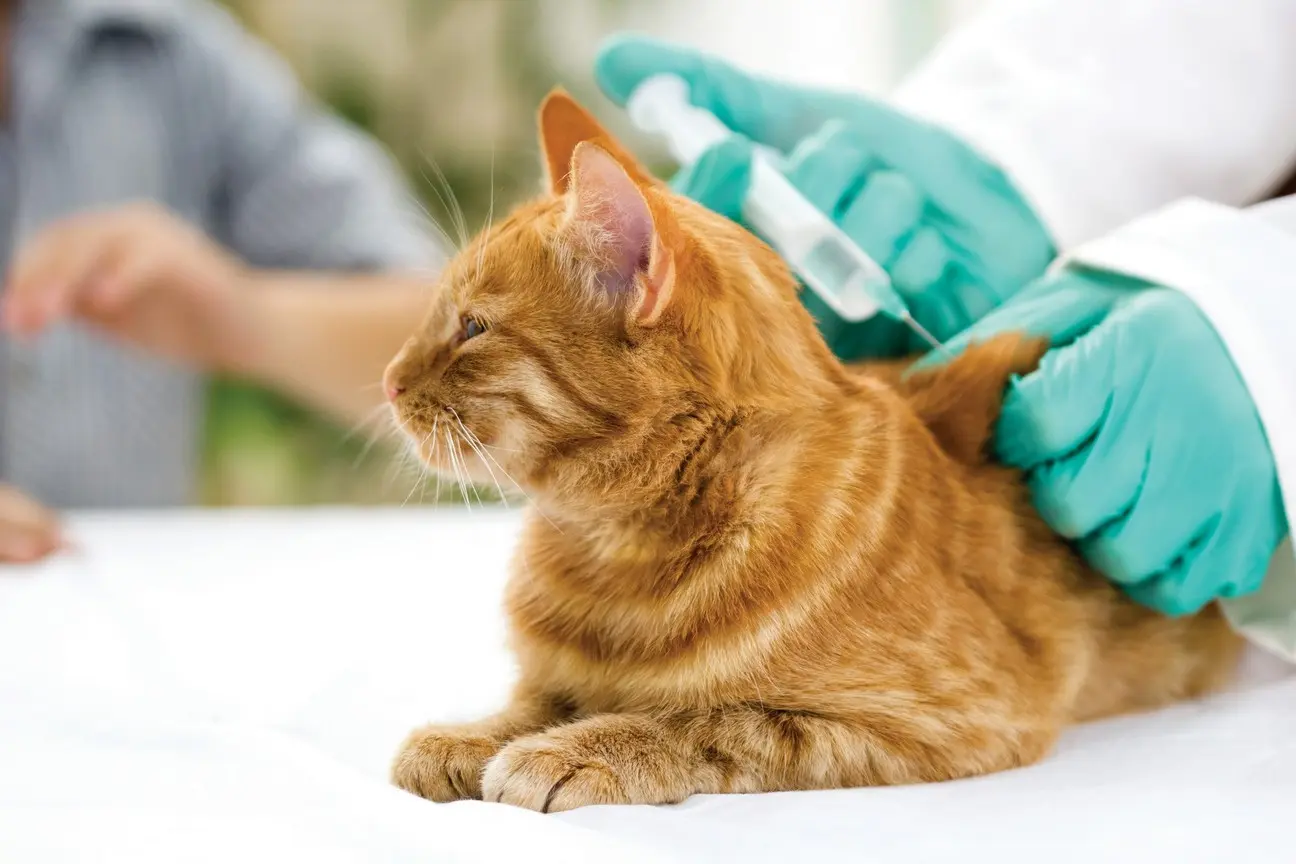
Understanding Cat Immunization for Disease Prevention
Vaccinations play a critical role in protecting your cat from harmful and potentially life-threatening diseases. By ensuring your cat stays up-to-date with immunizations, you shield them from illnesses such as rabies, feline distemper, and respiratory infections. Cat immunization not only safeguards individual health but also helps prevent disease spread within the feline community.
At Boulevard Veterinary, we prioritize safe, effective cat vaccinations to give your pet the best defense against common diseases, supporting their long-term health and happiness.
Vaccinations Needed for Kittens and Cats
Recommended vaccination schedules for felines in the Antelope Valley.
FVRCP Vaccine
Feline Rhinotracheitis (Herpes), Calicivirus, Panleukopenia
- 6 weeks of age
- 9 weeks of age
- 12 weeks of age
- 1 year booster
The FVRCP vaccine is then given every 3 years throughout your cat’s lifetime.
Rabies Vaccine
Non-Adjuvenated Rabies Vaccine
- 12 – 16 weeks of age
- 1 year booster
The non-adjuvenated vaccine is given every year throughout your cat’s lifetime.
FeLV Vaccine
Feline Leukemia Virus (At-Risk Indoor/Outdoor Cats)
- 9 weeks of age
- 12 weeks of age
- 1 year booster
Given every year throughout your cat’s lifetime or as long as they remain at risk.
A Note About Non-Adjuvenated Vaccines
Adjuvants (aluminum salts) are added to vaccines to enhance their ability to stimulate an immune response. This makes them less expensive. Unfortunately, cats can develop serious cancers at the vaccine injection site. Boulevard Veterinary Hospital policy is to only use non-adjuvenated vaccines in kittens and cats.
Signs Your Cat May Need the Feline Leukemia Vaccine
Keep your feline friend safe and healthy with our essential vaccination services designed for lifelong protection.
Frequent Illness
Recurring infections or illnesses may suggest a weakened immune system.
Persistent Fever
Ongoing or recurring fevers without a clear cause.
Swollen Lymph Nodes
Enlarged lymph nodes can indicate infection or immune response issues.
Weight Loss and Poor Appetite
Unexplained weight loss or disinterest in food.
Pale Gums
Anemia-related symptoms, like pale or whitish gums.
Persistent Diarrhea or Vomiting
Digestive symptoms that don’t resolve on their own.
Respiratory Issues
Sneezing, nasal discharge, or labored breathing.
Lethargy or Depression
Low energy or disinterest in activities they once enjoyed.
Protecting Cats and Communities: The Impact of Feline Vaccination
Prevention of Illness
Vaccines stimulate the immune system, enabling your cat to build resistance against the feline leukemia virus (FeLV). This proactive approach prevents the onset of this serious disease, reducing the likelihood of infection.
Reduction of Severe Symptoms
In cases where vaccinated cats are exposed to the virus, the cat FeLV vaccine can significantly diminish the severity of symptoms, leading to a better quality of life and increased chances of recovery.
Overall Pet Health
Keeping your cat vaccinated contributes to their long-term health by protecting them from various infectious diseases. Vaccinated cats generally experience fewer health complications, allowing for a longer, healthier life.
Public Health Contribution
Vaccination not only protects individual pets but also plays a crucial role in public health by reducing the spread of infectious diseases within the feline population. This communal approach helps safeguard other cats and ensures a healthier environment for all.
Emergency Care and Vaccination
Prioritize Health: Ensure your cat’s safety during vaccinations, including the cat vaccine FeLV for feline leukemia.
Watch for Reactions: Be alert for severe reactions such as swelling at the injection site, difficulty breathing, vomiting or diarrhea, and lethargy or unresponsiveness.
Immediate Action: If any severe symptoms occur, contact Boulevard Veterinary at (661) 942-1489 or head to an emergency clinic right away.
Create an Emergency Plan:
- Keep a list of local veterinary contacts.
- Maintain accessible medical records, including cat leukemia test results.
- Familiarize yourself with signs of adverse reactions.
- Regular Check-Ups: Schedule routine veterinary visits to monitor health and address vaccination concerns.
Why Choose Boulevard Veterinary for Your Cat’s Vaccinations?
Expertise
Our skilled veterinarians specialize in feline care, ensuring effective treatments tailored to your cat’s specific needs.
Compassionate Care
We provide a calm and stress-free environment, prioritizing gentle handling to minimize anxiety for your cat during their visit.
Individualized Approach
We create personalized immunization schedules based on your cat’s health history and lifestyle, optimizing protection through proper cat immunization.
Ongoing Support
Our team is always available to address any post-vaccination questions, ensuring you feel confident in your cat’s care.
Positive Experience
We strive to make every visit pleasant, offering friendly service and dedicated focus on your cat’s health and comfort.
Frequently Asked Questions
Common questions about cat immunizations, vaccine safety, and scheduling.
Your Support Team Is Just a Call Away
We’re here to guide you with anything you need.
CONTACTS
Thank You for Your Interest in Our Service
- Monday8:30 AM – 7:00 PM
- Tuesday8:30 AM – 7:00 PM
- Wednesday8:30 AM – 7:00 PM
- Thursday8:30 AM – 7:00 PM
- Friday8:30 AM – 7:00 PM
- Saturday8:30 AM – 7:00 PM
- Sunday8:30 AM – 9:00 PM