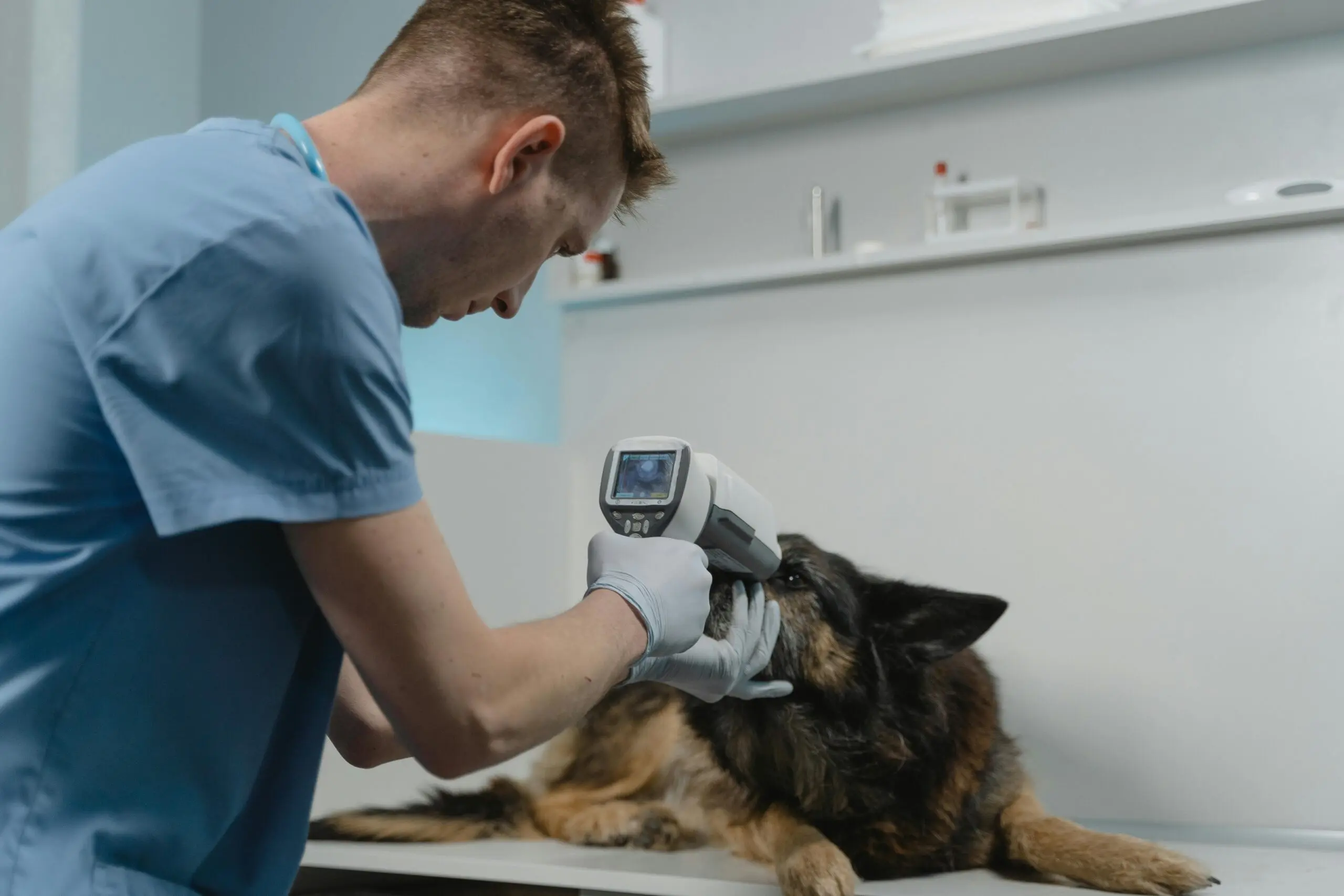
Understanding Hypothyroidism in Dogs: Diagnosis and Treatment at Boulevard Veterinary Hospital
Hypothyroidism is the most common hormonal imbalance in dogs, characterized by a deficiency of thyroid hormone. At Boulevard Veterinary Hospital, we are dedicated to diagnosing and managing this condition to ensure your pet's health and well-being.
What is Hypothyroidism?
Hypothyroidism occurs when the thyroid gland, located in the neck, produces insufficient levels of thyroid hormones, which are crucial for regulating metabolism. This condition is most prevalent in medium to large breeds of dogs, typically between the ages of 4 to 10 years. While rare in cats, hypothyroidism can occur transiently following thyroid treatment for hyperthyroidism.
Causes of Hypothyroidism
The primary cause of hypothyroidism in dogs is the immune-mediated destruction of the thyroid gland, accounting for at least 95% of cases. Other causes include:
- Natural atrophy of the thyroid gland
- Dietary iodine deficiency
- Neoplasia (tumors) of the thyroid gland
- Congenital issues (rarely)
Symptoms of Hypothyroidism
Hypothyroidism affects multiple body systems, leading to a variety of symptoms. According to recent studies, common symptoms in dogs include:
- Skin Abnormalities: 88% of affected dogs show skin issues.
- Hair Loss: 40% experience hair loss, often on the tail or trunk.
- Skin Infections: 22% have recurrent skin infections.
- Obesity: 49% are overweight despite normal eating habits.
- Lethargy: 48% are lethargic or listless.
- High Cholesterol: 80% exhibit elevated cholesterol levels.
Diagnosis and Treatment
At Boulevard Veterinary Hospital, we perform comprehensive blood tests to diagnose hypothyroidism, measuring thyroid hormone levels and assessing overall health. Treatment involves:
- Thyroid Hormone Replacement Therapy: Administering synthetic thyroxine (T4) orally, typically twice daily, to restore hormone balance.
- Monitoring: Regular blood tests are crucial to ensure the correct dosage and to adjust treatment as needed.
Managing Hypothyroidism
Once treatment begins, we recommend checking T4 levels 2 to 3 weeks after starting medication, with blood drawn 4 to 6 hours post-dose. Once the appropriate dose is established, T4 levels should be monitored every 6 to 12 months to ensure continued efficacy.
Why Choose Boulevard Veterinary Hospital?
Located at 354 W. Lancaster Blvd, Lancaster, CA 93534, Boulevard Veterinary Hospital offers expert care for pets with hypothyroidism. Our experienced team, led by Dr. Rajvir Gillon, provides personalized attention and a range of services to support your pet's health.
Contact Us
If you suspect your dog may have hypothyroidism or need more information about our services, contact Boulevard Veterinary Hospital at (661) 942-1489. Our dedicated team is here to help your pet live a healthy, fulfilling life.